
Water and Wastewater Industry
Water and wastewater facilities play a critical role in public infrastructure. Treatment plants, pumping stations, and sewer networks involve biological processes, chemical treatment, and confined spaces where hazardous gases may be present. Gas detection helps protect personnel, prevent accidents, and support safe operation during both routine maintenance and emergency work.
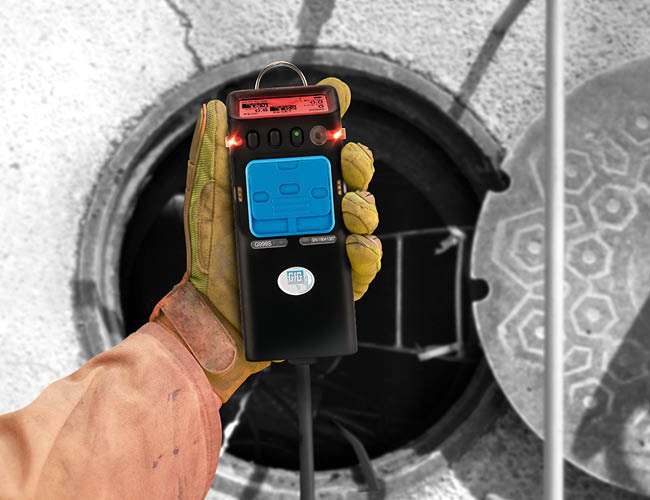
Gas monitoring in water and wastewater facilities
Wastewater treatment processes can generate hazardous gases through biological decomposition and chemical reactions. Hydrogen sulfide, methane, and carbon dioxide may accumulate in treatment tanks, pumping stations, sludge processing areas, and sewer systems. In poorly ventilated or underground structures, these gases can quickly create dangerous atmospheres.
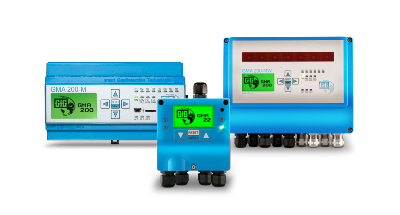
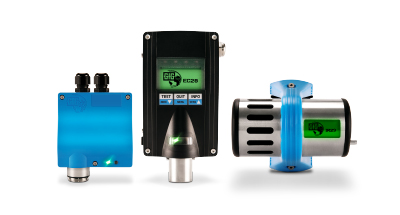
Fixed gas detection systems provide continuous monitoring in areas where gas hazards may occur regularly, such as pumping stations, sludge treatment facilities, chemical storage rooms, and enclosed plant buildings. They enable early detection of hazardous gas concentrations and support automated safety measures such as ventilation or alarms.
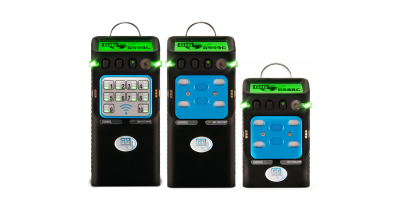
Portable gas detectors are used by maintenance crews and service personnel when entering confined spaces such as manholes, tanks, channels, and underground chambers. They support atmospheric testing before entry and provide continuous personal monitoring during work.
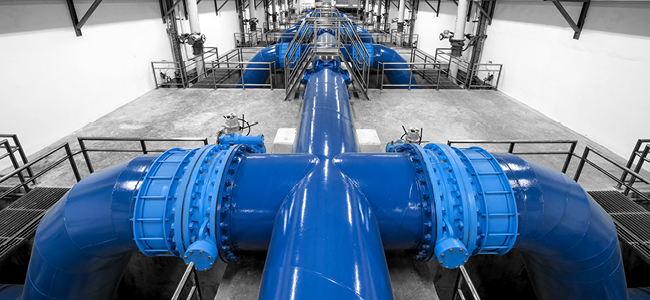
Potential dangers:
» hydrogen sulfide (H₂S)
» methane (CH₄)
» carbon dioxide (CO₂)
» oxygen deficiency
» confined spaces
Downloads
Brochures:
» Water and Wastewater Industry (PDF) 1.4 MB
To our gas detectors
Water Measurement Technology