
Bromine Instead of Chlorine?
A smart choice – as long as safety is part of the plan.
Bromine is a proven alternative to chlorine and chlorine dioxide – particularly in spas, hot tubs and warm water applications. Wherever bromine is stored, dosed or processed, the GfG D-ReX supports continuous monitoring of critical areas.
Request adviceA proven disinfectant for demanding water applications.
Bromine is used in swimming pools, spas and water treatment systems where reliable disinfection is required, even at higher water temperatures or with varying pH values.
High disinfection performance
Bromine supports stable water hygiene in professional applications.
Suitable for warm water
Particularly relevant for spas, hot tubs and warm water pools.
Broad pH range
Bromine remains effective even when water conditions vary.
Comfortable water quality
Many operators use bromine to create a high-quality bathing environment.
Safety begins where bromine is stored and dosed.
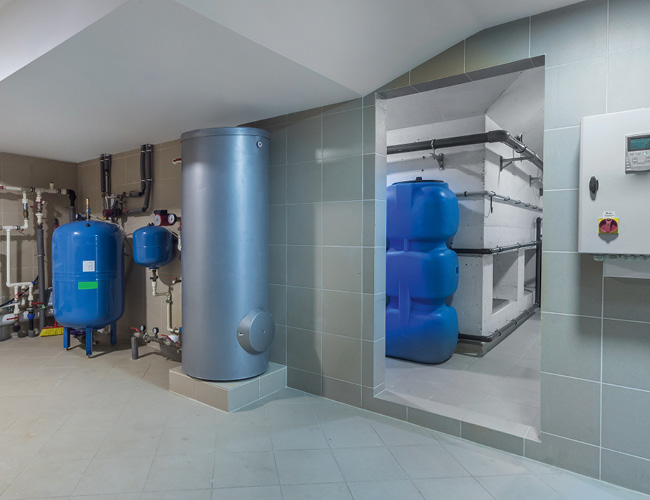
For bathers, water quality is what matters most. However, the areas that are relevant from a safety perspective are usually behind the scenes: in plant rooms, dosing areas, storage rooms or maintenance points.
Wherever bromine is stored, dosed or introduced into the water circuit, bromine vapours may be released in the event of leaks, maintenance work or technical faults.
Detect bromine
before people are put at risk.
A fixed gas detection system monitors critical areas around the clock – directly in the room, at the measuring point or via active sampling. This allows even low bromine concentrations to be detected early and appropriate measures to be initiated.
GfG D-ReX for continuous bromine gas detection.
With precise sensor technology, flexible installation options and a modular system concept, the GfG D-ReX is suitable for demanding bromine gas detection in plant rooms, dosing areas and water treatment systems.
Depending on the application, the system can be used for ambient air monitoring, direct measurement at the measuring point or active sampling.
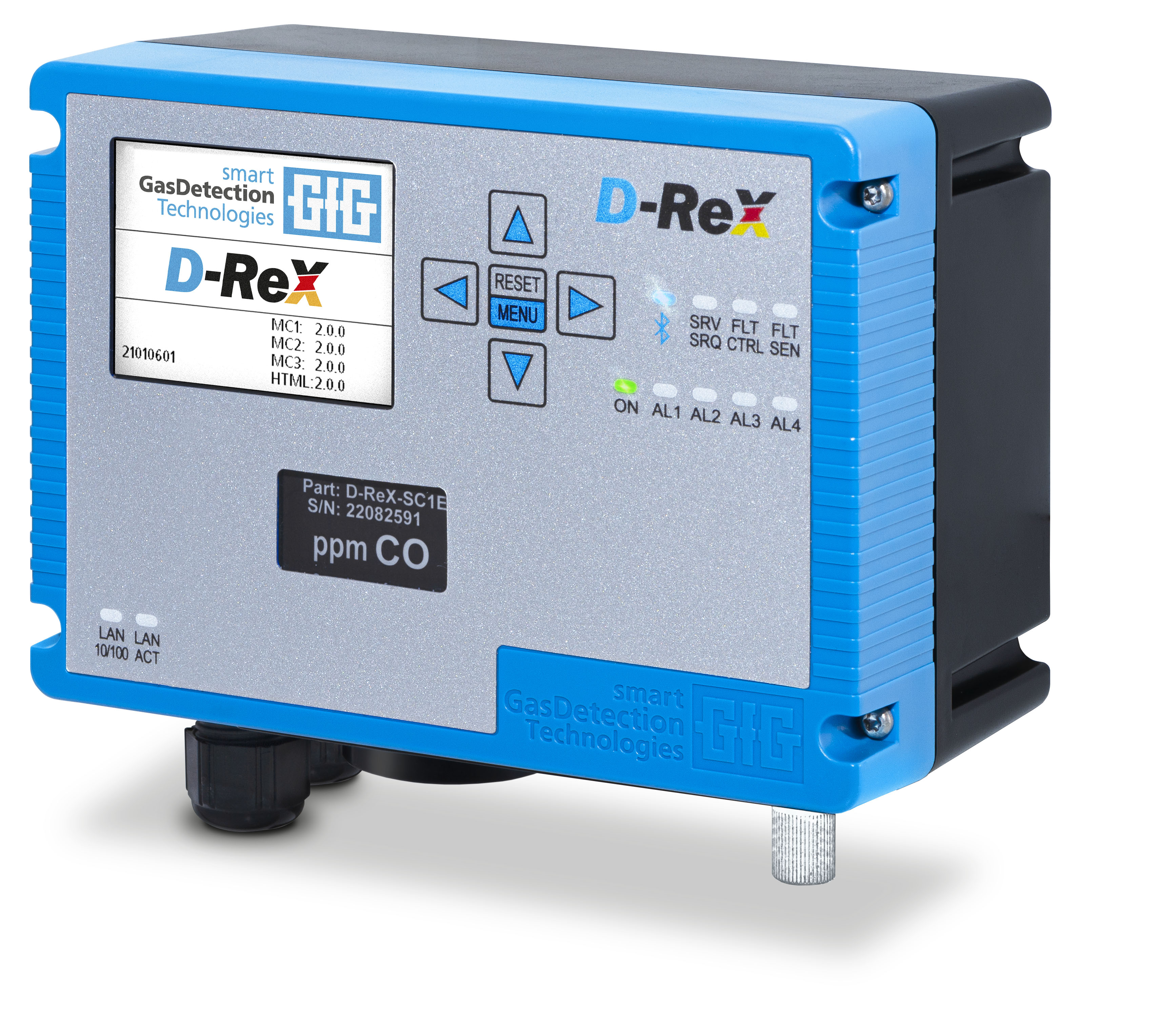
Ambient air monitoring
Continuous monitoring of ambient air in plant rooms and dosing areas.
Remote sensor
Measurement directly at the measuring point, for example in hard-to-access or particularly critical locations.
Gas Sampling
Active sampling from plant rooms, dosing cabinets or pipework using the integrated pump.
Developed for demanding safety applications.
The GfG D-ReX combines precise measurement technology with flexible installation and communication options for demanding applications involving toxic gases.
For operators, planners and system integrators.
The GfG D-ReX is suitable for a range of applications where bromine is used for water treatment and critical areas need to be monitored reliably.

Hotel pools
Monitoring of plant rooms and dosing areas in hotel facilities.

Spas and hot tubs
Suitable for warm water applications using bromine disinfection.

Leisure pools
Early detection of possible bromine releases in plant areas.

Public pools
Supporting safe operation in professionally managed facilities.
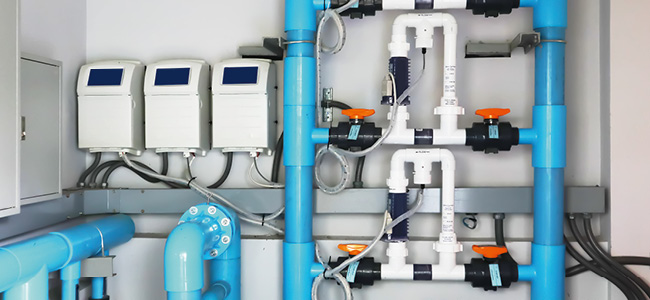
Plant rooms
Continuous ambient air monitoring in critical areas.
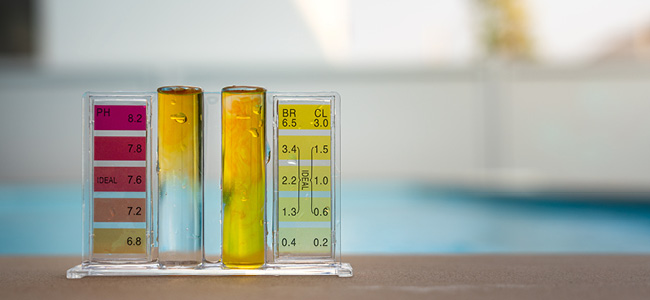
Water treatment
Gas detection in dosing, process and plant areas.
Gas detection technology from Dortmund – used worldwide.
For decades, GfG has developed and manufactured fixed gas detection systems and portable gas detectors for demanding applications. With the GfG D-ReX, operators have access to a solution that combines precise sensor technology, flexible installation and modern communication in one system.
Frequently asked questions about bromine gas detection.
Why is bromine used instead of chlorine?
Bromine is a proven alternative to chlorine and chlorine dioxide. It is used particularly in warm water applications such as spas or hot tubs because it can disinfect reliably at higher temperatures and across a broader pH range.
Is bromine dangerous as a gas?
Yes. Bromine is a toxic gas and has a lower occupational exposure limit than chlorine and chlorine dioxide. Reliable monitoring is therefore important wherever bromine is stored, dosed or processed.
Where should bromine be monitored?
Typical monitoring areas include plant rooms, dosing systems, storage rooms, pipework, transfer areas and maintenance points. The key factor is an application-specific assessment of potential release points.
Which measuring ranges are available?
Depending on the application, measuring ranges of 0–5 ppm or 0–10 ppm are available for bromine. The resolution is 0.005 ppm.
Can the GfG D-ReX be integrated into existing systems?
Yes. Thanks to flexible communication and system options, the GfG D-ReX can be integrated into both new system concepts and existing gas detection systems. It supports the 4–20 mA industrial standard as well as Modbus RTU/TCP.
Which installation options does the GfG D-ReX offer?
Depending on the application, the GfG D-ReX can be used for ambient air monitoring, with a remote sensor directly at the measuring point or as a gas sampling solution with an integrated pump.